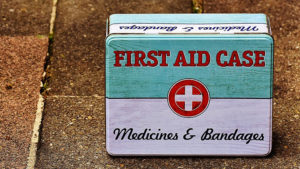
In response to a broking service to businesses and people identifying the top five reasons why mental health first aid training can fail, various companies have spoken up in defence of mental health first aiders, stating their importance and how they can be a “catalyst for engagement”.
One of these individuals was Simon Blake, OBE, chief executive of Mental Health First Aid (MHFA) England who said:
Our Mental Health First Aiders are part of a community of hundred of thousands of people in England trained to recognise signs and symptoms of mental ill health and help people find the support they need to stay well.
We are clear that Mental Health First Aid training is just one part of a whole organisation approach to mental health and wellbeing in the workplace. This approach should focus on creating the conditions for people to thrive, putting in place support for early intervention and ensuring pathways to further help are clear.
We encourage workplaces to position mental health as a boardroom issue, on par with physical health; create health and wellbeing strategies and raise mental health awareness to help normalise the idea of talking about mental health before introducing training.
All employers should strive to build a mental health and wellbeing strategy in line with the core standard for employers set out in the Government’s Thriving at Work review. These standards include raising mental health awareness and encouraging conversation about the support available.

Karl Simons, chief health, safety and security officer at Thames Water, who have over 350 trained mental health first aiders, said:
Our mental health first aiders are a catalyst for engagement and have inspired a cultural revolution at Thames Water. Confidence has grown throughout the company with people now much more willing to come forward, talk and seek support at their time of need, with records showing we’ve had five mental health first aid interventions for every physical one over the last year.
At Thames Water we have implemented mental health first aiders as part of a well-thought out framework which ensures all out trained staff have the appropriate support to conduct their role. They are one element in our whole organisation approach to mental health.
I believe that Mental Health First Aid England training would benefit all workplaces, regardless of sector. The value and saving we’ve made from intervening and keeping our people in work as a result of intervention by our Mental Health First Aiders has been extraordinary. But not only would businesses gain economically, more importantly, they would have a happier and healthier workforce.

Darius is the editor of HRreview. He has previously worked as a finance reporter for the Daily Express. He studied his journalism masters at Press Association Training and graduated from the University of York with a degree in History.
- Darius McQuaid

- Darius McQuaid
- Darius McQuaid
- Darius McQuaid