

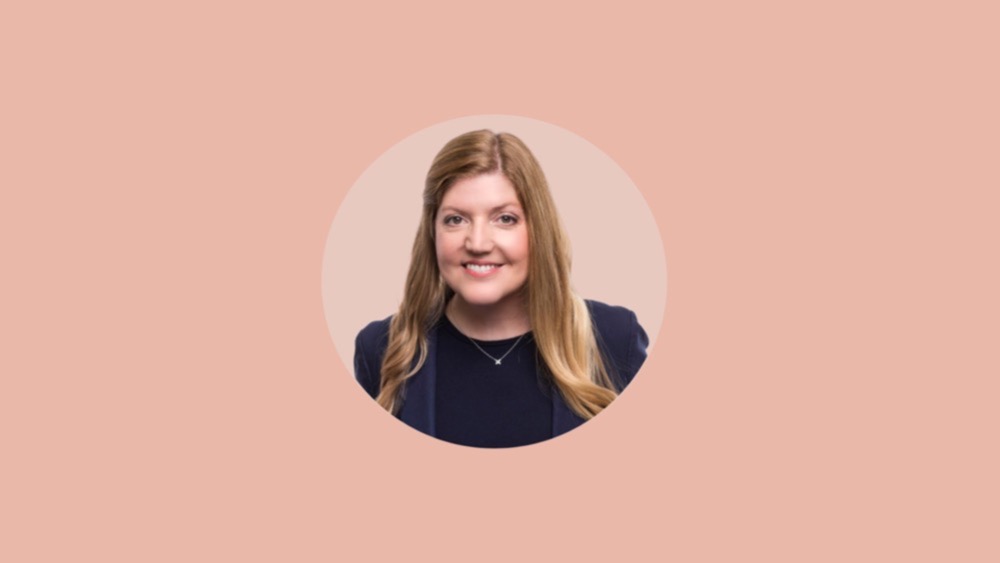
Hot off the heels of the four day working week trials, many of us are asking if we could do the same work in less time. But if the thought of losing a day sends you into a cold sweat then fear not. Susan Stick, VP People and General Counsel at Evernote, shares how you can be just as productive with a shorter working week.
Striking a healthy work-life balance has always been a challenge; since many of us adopted home working, it seems harder than ever. In the UK we work more hours than many of our European neighbours by an average of two hours extra a week.
In June the world’s largest trial of a four-day work week started in the UK, driven by a change in attitudes from employees who now want to work less and more flexibly.
This is a hugely positive step towards improving workers’ wellbeing whilst also addressing ineffectiveness that drives lower outputs. We should all advocate for employees to strike the ideal work/life balance better and eradicate habits that work against productivity.

Yet, at the same time we also need to remember that companies still need to maintain the same output levels to survive.
Get organised
It sounds absurdly simple but creating an organisation system is the lynchpin to being economical with time. With a shorter work week, it is important to spend less time in meetings and getting more out of your work days. There are many options to choose from based on your specific needs.
Platforms such as Evernote mean you can combine your tasks, schedule visibility and information collection and retrieval into a single access point, making it easy to organise every aspect of your life, so you can accomplish more – both personal and professional.
Be sure to make use of notifications and set reminders against tasks to keep you on track.
Maintain Focus
With one less day you do not have time to be doing unnecessary tasks. You need to devise strategies to make your day more efficient.
Review your completed tasks at the end of your workday. Appreciate the work you’ve completed and set goals for the next day. Stick to a set, realistic schedule for your workday. Include time for breaks to grab a coffee, hang the washing out or go for a walk. No one can do their best work without regular breaks. Your brain needs to recharge as much as your laptop does.
Busy-ness is not the aim of the game
“Busy-ness” is the art of appearing busy when you’re not. This need to show how ‘busy’ you are just makes for overworked and unproductive employees, wasting resources and time. To overcome this, create solid checklists where tasks are organised in priority and used in tandem with the likes of the Eisenhower model – where tasks are sorted in four buckets based on urgency and importance.
Know when to detach
Many of us feel the pressure to ‘go the extra mile’ in the modern working world. The idea of “detaching” from work can therefore be viewed negatively. Yet, realising when and how to detach from work is just as vital for your productivity as knowing when to immerse yourself completely.
So it is important to be disciplined with having that fifth day as a non-working day. Do not get into the habit of leaving tasks for that day or ‘quickly checking emails’. That defeats the purpose. Play around with when you work too. You may like a day off midweek or to make a longer weekend.
The important thing to remember is that working smarter, not harder is the key to productivity. I would be surprised if most firms did not benefit from a four day working week. Having refreshed, energised, motivated employees will do wonders for an organisation.
__
Susan Stick is VP People and General Counsel at Evernote.

Susan Stick is a legal professional who recently held a position in the legal team at Life360, a family safety and location technology company. During her tenure, she was involved in building and expanding Life360's legal department, recruiting experienced lawyers and commercial counsel to support the company's growing needs. She played a key role in the company's legal operations during a significant period that included the company's IPO. Prior to Life360, she held a professional position at Xero, where she developed a substantial professional network of over 500 connections on LinkedIn. Her expertise spans commercial law, legal team management, and corporate counsel responsibilities.




