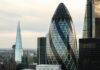
London has been ranked as the second-highest city for burnout in Europe and 14 highest in the world.
This is according to Savvy Sleeper, a site that explores how to sleep well and what diet is the best to induce good sleep.
London came behind Istanbul in Turkey for cities with the highest levels of burnout in Europe. In 2019 the World Health Organisation (WHO) recognised burnout as a legitimate medical diagnosis.

The top 10 cities with burnout in Europe are:
- Istanbul, Turkey
- London, UK
- Rome, Italy
- Athens, Greece
- Stockholm, Sweden
- Lisbon, Portugal
- Budapest, Hungary
- Milan, Italy
- Bratislava, Slovakia
- Kiev, Ukraine
The city with the highest levels of burnout worldwide is Tokyo, in Japan. Japan introduced a new law in 2019, which caps the amount of legal overtime you can do to 45 hours.
The second highest city in the world is Mumbai, in India where the average amount of hours worked is double that of other countries.
Tallinn, in Estonia, reported the lowest level of burnout with 85 per cent of their workforce being satisfied with their jobs.
Oslo in Norway and Copenhagen in Denmark also scored low for burnout.
Ashley Doyle, staff writer at Savvy Sleeper said:
It’s interesting to see Estonia receives the most positive score in our study, over the typically expected Nordic countries like Norway, Finland and Denmark.
Our study shows cities with reasonable working hours, good vacation policies and quality sleep not only have more motivated employees but also higher workplace productivity, despite staff working shorter hours.
It’s a positive sign that cities like Tokyo and Seoul are recognising this correlation too, by introducing new laws to limit overworking and burnout among staff. However, our results show significant changes will need to be made for these cities to catch-up with European workplaces.
To obtain this data Savvy Sleeper reviewed data from seven reputable sources and employee reviews on Glassdoor to rank 69 global cities.

Darius is the editor of HRreview. He has previously worked as a finance reporter for the Daily Express. He studied his journalism masters at Press Association Training and graduated from the University of York with a degree in History.
- Darius McQuaid

- Darius McQuaid
- Darius McQuaid
- Darius McQuaid