

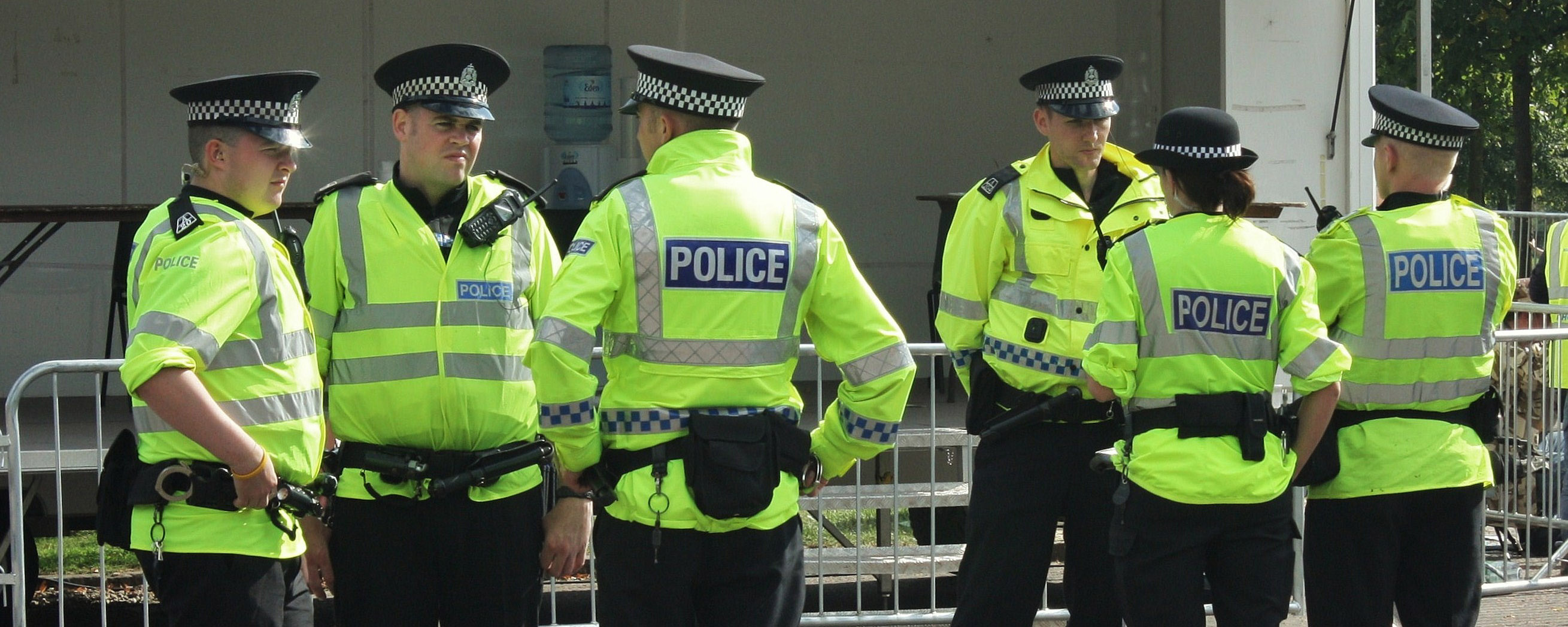
The government is to lift the long-standing one per cent annual cap on public sector pay from 2018, with police and prison officers set to be the first beneficiaries of the Government’s decision.
Public sector pay was frozen for two years in 2010, except for those earning less than £21,000 a year, and since 2013, rises have been capped at 1 per cent – below the rate of inflation.
Prison officers are to receive an average 1.7 per cent pay rise and police officers will receive additional pay totaling two per cent for 2017/18, Downing Street said. The two per cent rise will come from a one per cent pay rise plus a one per cent bonus for the year, paid for from existing departmental budgets.

The Treasury announcement from the government came on the day UK inflation rose to 2.9 per cent and after weeks of speculation the five-year pay cap may be lifted in response to growing worries about its impact on staff recruitment and retention and morale in the public sector.
Chancellor Philip Hammond had been expected to address the issue in his Autumn Budget amid calls from Labour, and some Tory MPs, for help for million of workers who have suffered years of real-terms pay cuts.
Steve White, chairman of the Police Federation of England and Wales, warned the announcement will leave many officers “angry and deflated”.
“We were not greedy in what we asked for. Officers have been taking home about 15% less than they were seven years ago.”
The Prison Officers Association agreed that the offer was inadequate and it would be still be seeking to take industrial action for more money for public sector workers.
“Inflation is running at 2.9 per cent. Anything below that inflation rate is a pay cut for our members..
“I don’t know what the rest of the public sector is going to get. I have made it clear that it is a pay cut. It is not acceptable. Our executive will be looking to coordinate action with other trade unions.”
“We are not asking for any special favours, we are asking for justice”.
The federation had asked for a 2.8 per cent increase to basic pay, while the Prison Officer’s Association had called for a five per cent increase.
Theresa May’s spokesman said that more widely there would be scope for “flexibility” over public sector pay rises from 2018-19.
“The cabinet agreed that our public sector workers are among the most talented and hard-working people in our society. They, like everyone else, deserve to have fulfilling jobs that are fairly rewarded.
“The government takes a balanced approach to public spending, dealing with our debts to keep our economy strong, while also making sure we invest in our public services.
“The government recognises that in some parts of the public sector, particularly in areas of skill shortage, more flexibility may be required to deliver world class public services, including in return for improvements to public sector productivity.”
The police and prison officer deals are the last set of public sector pay arrangements to be concluded for the current financial year.
The increase was not welcomed by the TUC, who branded it “pathetic”, pointing out it was well below the currently inflation rate of 2.9 per cent.
TUC general secretary Frances O’Grady said:
“Public sector workers have suffered seven long years of real pay cuts, and are thousands of pounds worse off.
“Today’s announcement means bills will continue to rise faster than their wages.
“If ministers think a derisory rise like this will deal with the staffing crisis in our public services, they are sorely mistaken.”

Rebecca joined the HRreview editorial team in January 2016. After graduating from the University of Sheffield Hallam in 2013 with a BA in English Literature, Rebecca has spent five years working in print and online journalism in Manchester and London. In the past she has been part of the editorial teams at Sleeper and Dezeen and has founded her own arts collective.
- Rebecca Clarke

- Rebecca Clarke
- Rebecca Clarke

- Rebecca Clarke







