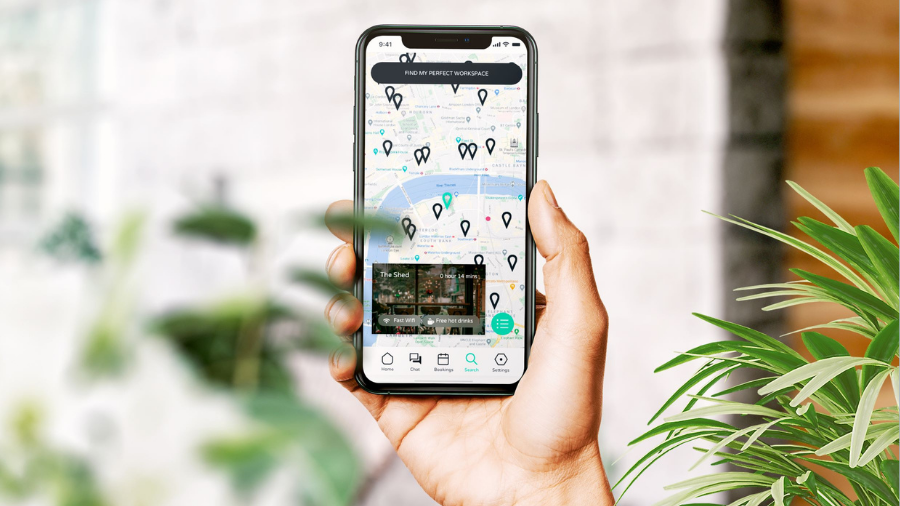
New app links home workers to workspaces

-

People who work remotely but don’t want to be at home can find a temporary workspace with a new app. 

Reef is not the first of its kind; Coworking Nomads, Workbar and Deskhop are just some of its competitors.

But Reef App says its users will usually get discounts on food and drinks at available workspaces, which are usually cafes, restaurants or hotels. 

More than 400 business users have pre-registered, with over 150 venues, including remote areas such as the south west.

HRreview Logo

Get our essential weekday HR news and updates.

This field is for validation purposes and should be left unchanged.
Keep up with the latest in HR...
This field is hidden when viewing the form
Optin_date
This field is hidden when viewing the form


According to the British Chambers of Commerce, there are almost 18.5 million employees who need a space to work. This is due to either being fully remote or a hybrid worker.

Reef conducted its own study, which  shows people prefer to work from a space that isn’t home, to protect their work/life balance.

Meanwhile, younger workers don’t have a space at home and are forced to work from their bedrooms

However, since these spaces can be expensive – between £150 – £1,500 a month – using workspace linking apps like Reef help employees get the work-life balance they crave.

Almost half of employees told Reef their working environment has a serious impact on their mental health (44 per cent). One in four (26 per cent) said their productivity varies greatly depending on their surroundings. They wanted to have the opportunity to work in different environments to help this.

Working somewhere that wasn’t home also helped 44 percent of employees who said they suffered with mental health issues; they said there was a positive impact being able to have face-to-face meetings with colleagues, suppliers or clients.


Feyaza Khan has been a journalist for more than 20 years in print and broadcast. Her special interests include neurodiversity in the workplace, tech, diversity, trauma and wellbeing.

Latest news

Exclusive: London bus drivers’ ‘dignity’ at risk as strikes loom over welfare concerns

London bus drivers raise concerns over fatigue and lack of facilities as potential strikes escalate long-standing welfare issues.

Whistleblowing reports ‘surge by up to 250 percent’ at councils as new rights take effect

Whistleblowing cases are rising across UK councils as stronger workplace protections come into force, though concerns remain about underreporting of serious issues.

Bullying and harassment to become regulatory breaches under new FCA rules

New rules will bring bullying and harassment into regulatory scope, as firms face rising reports of workplace misconduct.

Personalising the Benefits Experience: Why Employees Need More Than Just Information

This article explores how organisations can move beyond passive, one-size-fits-all communication to deliver relevant, timely, and simplified benefits experiences that reflect employee needs and life stages.
- Advertisement -

Grant Wyatt: When the love dies – when staying is riskier than quitting

When people fall out of love with their employer, or feel their employer has fallen out of love with them, what follows is rarely a clean exit.

£30bn pension savings window opens for employers ahead of 2029 reforms

UK employers could unlock billions in National Insurance savings by expanding pension salary sacrifice schemes before new limits take effect in 2029.

Must read

Jo Matkin: How should HR be using neuroscience?

HR is increasingly embracing modern technology, becoming strategically important and leading the way in terms of future gazing ideas. It is innovative and dynamic.

Jo Edwards: Becoming a destination employer

Employer branding has been a buzz word in HR...
- Advertisement -

You might also likeRELATED
Recommended to you