Prior to the Covid-19 pandemic, there had been a movement pushing for people to bring their authentic selves to work. Creating and fostering a culture of openness was seen as a way to create dynamic and thoughtful teams that produced optimal results in a new era of employee-focused wellbeing in the workplace.
The pandemic laid bare people’s resilience in a trying time, bringing personal authenticity to the forefront of the working day as people juggled their personal and working lives amidst the chaos. The hyper-authenticity employees have been forced to display while getting the job done leaves them with greater expectations of companies to display and practice authenticity in return for their hard work. The tables have turned and it’s the employee holding most, but not all, of the cards.
There is a global talent war at present that is only getting harder to win – if organisations don’t embrace this new mindset, talented people know they can look elsewhere and get nearly everything they want, with companies promising all of their demands and more. Smart talent have their ear to the ground and are on the lookout for everything from an increase in salary and sign-on bonuses, to a fully flexible work model and heavy investment in working technology. Likewise, Gen-Z are coming into the workplace injured by recent economic turbulence and bringing with them a strong sense of freedom that drives their decisions, because in their view, what else can go wrong?
Embrace the flexible working transition

Post-COVID, most employees are seeking a hybrid model; they have proven their ability to successfully work remotely and have been clear that they crave some office time. But enforcing a five-day week would be disastrous for companies from an authenticity perspective. Demand for more flexible models is only increasing – a recent report from Microsoft stated that 39 per cent of employees feel more comfortable being their true selves with colleagues as a result of hybrid working, and our research at Major, Lindsey and Africa indicates that up to 60 per cent of Gen Z employees would prefer fully flexible schedules post-COVID.
The stark truth is, if an organisation doesn’t offer any flexible days, their existing talent pool will leave, and prospective talent will drop. Managers need to consider their leadership style and how they consult with their employees on policy decisions. Their approach should be consultative and canvass various seniority levels of opinion, with an openness to flexibility overall depending on the individual.
Foster collaborative creativity
Likewise, when offices reopen, allowing expression and individualism will be more important than ever. After well over a year without much opportunity for creativity, people want to celebrate the future and being together. A rigid environment with regards to dress codes and not listening to people ‘in the trenches’ will stifle any bursts of creativity and ultimately impact growth. For Gen-Z, having strict rules that gloss over key individual differences will be seen as particularly inauthentic – how can one rule apply to such a diverse group of humans? After all, does a suit or a pair of heels really impact performance?
Prioritise training
Finally, training and development should not be cut or ignored. Gen-Z and millennials in particular crave a rich feedback culture and formal mentorship – this is something that cannot be fully implemented virtually. Organisations should think about innovative ways to create an open dialogue – juniors mentoring seniors, frequent town halls and quarterly goal setting are ways to encourage this.
Investment in external training providers should be prioritised too, particularly to bridge the gap in reduced skills from the remote working world.
Planning around the hybrid model to facilitate training sessions and natural interactions with leadership is important and it’s an opportunity to woo existing employees too; lunch and learns are a nice ‘treat’ that can restore your core company culture. Trust is key here – knowing people will get the job done and trusting them to do so without micromanaging will help some of these things to naturally occur.
The post-pandemic working world will be different and openness and transparency is key – it creates natural authenticity and vulnerability for both employers and employees. Employees have refocused their lives and goals during this time and things are different now. Sticking with the previous status quo hampers your talent pipeline and will naturally be sniffed out at interview. If there is no change to policy, the best talent, especially Gen-Z, will choose competitors who can offer them everything they want and more.

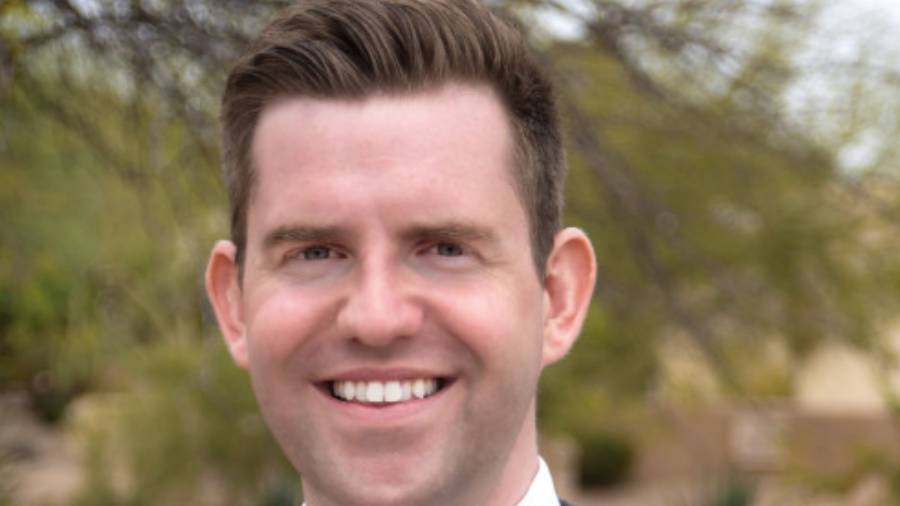
Nathan Peart is a Managing Director in the Associate Practice Group at Major, Lindsey & Africa, the world’s leading legal search firm. Currently based in London, Nathan works closely with associates to help them make lateral moves into law firms whether in London, internationally or between markets. An expert in cross-border relocation, Nathan has worked in Major, Lindsey & Africa’s London, New York and Hong Kong offices. He is passionate about offering advice and guidance to associates who are interested in learning about the market and have a desire to take the next step in their careers with a focus on building long-term relationships.