
Long-distance commuting still the norm

-


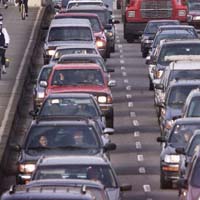
Despite the introduction of flexible working hours commuters are still travelling long distances to get to work. The average commute is around 25 minutes however one in ten commuters travel more than an hour to work according to research from Regus.

Cars have been found to be the most popular form of commuter transport (64%) while the public transport system is the best option for another 19%. Only 9% of workers are close enough to their place of work to be able to cycle or walk.

In the USA car use is much more wide-spread (85%) shortly followed by South Africa (83%) High density and excellent transport infrastructure make Japan the country least reliant on driving to get to work (23%). Cycling in to work was as unpopular as car pooling (2%) on a global level with only the Netherlands significantly bucking this trend (8%).

Mark Dixon, CEO, Regus, said: “As traffic congestion in cities increases it is disappointing to see that too many workers are still jamming the roads in the rush hour when they could be spending their time more enjoyably or more productively elsewhere.

HRreview Logo

Get our essential weekday HR news and updates.

This field is for validation purposes and should be left unchanged.
Keep up with the latest in HR...
This field is hidden when viewing the form
Optin_date
This field is hidden when viewing the form


“To tackle the damaging effects of commuting on staff health and morale, savvy businesses are introducing more flexibility in their working practices and are seeking workplace solutions that allow their staff to work closer to home. Remote working and flexi-time can provide a much needed break in the weekly commuting routine and also translate into office space and maintenance savings.”

Further pain commuters are forced to face is in the cost of travel. While on average 7% of commuters globally spend 10% or more of their salary on commuting, this peaked in car-reliant Mexico where 13% of respondents spend more than 10% of their salary to fund their commute.




Latest news

‘Job centre in your pocket’ plan raises questions over role of AI in employment support

The government's AI-powered employment assistant has sparked debate about how technology should support jobseekers while maintaining trust.

Employers urged to spot gambling harms during World Cup

Employers are being urged to watch for gambling-related harm at work as the 2026 World Cup brings weeks of daytime matches and betting activity.

Habits for health: small changes that lead to bigger gains

From walking meetings to better sleep routines, simple habits can improve health, wellbeing and performance across the workplace.

Jeanette Wheeler: The business case for purpose-led leadership

Public scrutiny on businesses and societal expectations are putting pressure on leaders to demonstrate that purpose runs deeper than profit.
- Advertisement -

Britain’s biggest retailers cut 18,000 jobs as employment costs rise

Rising wage bills and tax costs are prompting retailers to rethink hiring as they seek savings across their operations.

Georges Elhedery on AI and job losses

“We all know generative AI will destroy certain jobs and will create new jobs.”

Must read

Catherine Trombley: teamwork, the truth about teams

If you’ve had your performance review lately, you have...

Pete Hykin: How Salary Sacrifice can help your employees with the cost-of-living crisis

"What many might not be aware of is that pensions can actually be used by both employers and employees to trim their tax bills, with Salary Sacrifice schemes offering savers NI relief on top of their usual pension tax relief."
- Advertisement -

You might also likeRELATED
Recommended to you




